

‘Together We Thrive’
IJA leadership wants the 2026 conference to be a place for community and solidarity among Indigenous journalists.
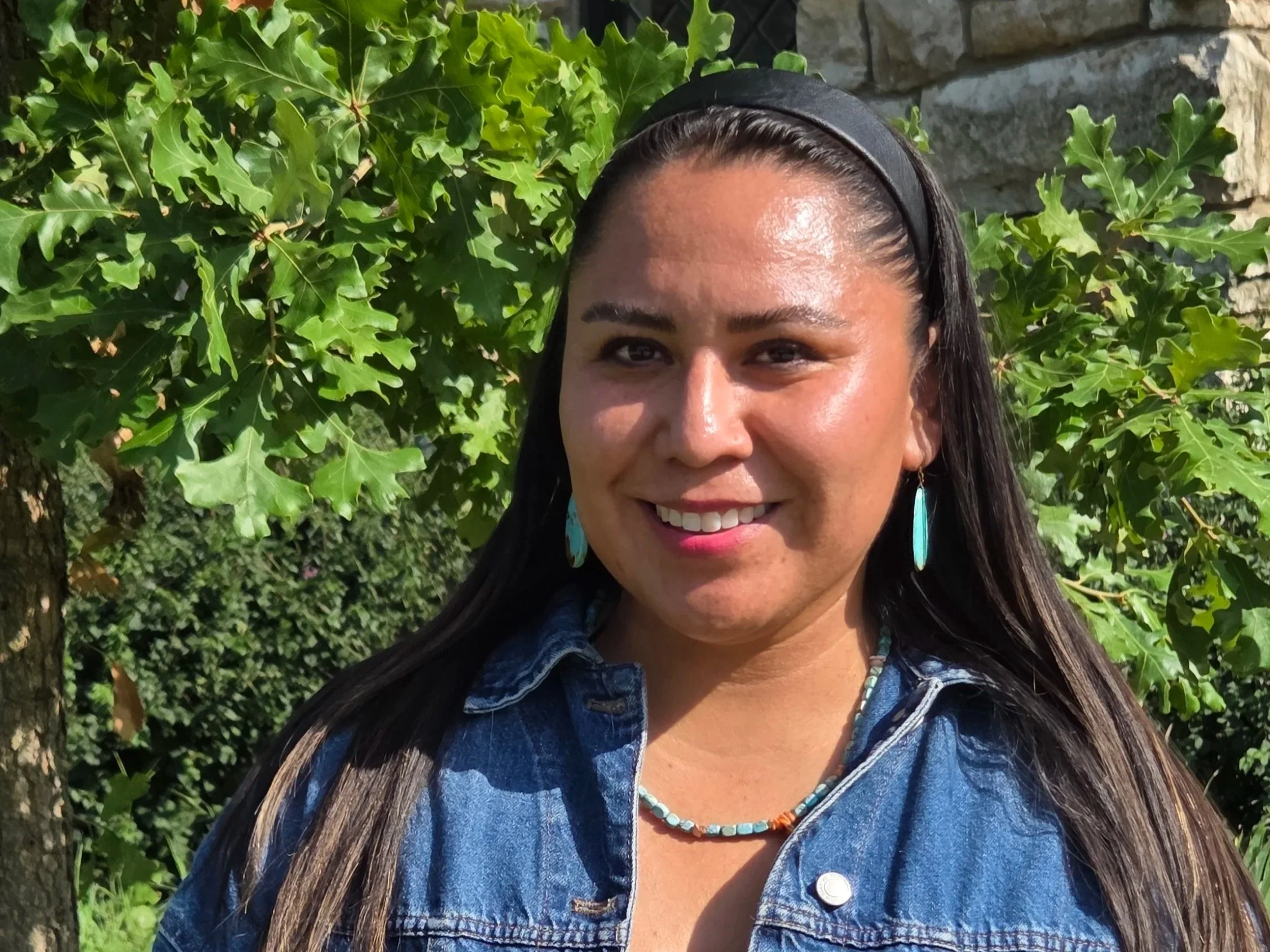
IJA President Sunnie Clahchischiligi (Diné) poses outside the University of Kansas journalism building after attending the Native Storytelling Workshop. Photo by Trina Tsinnie.
By Trina Tsinnie and Joseph Morales
Across the globe, Indigenous journalists often face threats of political violence or retribution. This week in the United States, where press freedoms and tribal autonomy are becoming increasingly challenged, they are gathering to find community in the shared struggle for self-determination and the right to have agency over their own stories.
“Indigenous Media Conferences teach us that journalists don't have to face the world alone and together we thrive.” said Angel Ellis, vice-president of the Indigenous Journalists Association and a citizen of the Muscogee Nation.
At the organization’s annual Indigenous Media Conference this year in Portland, Oregon, Ellis and her fellow board members are emphasizing that strong leadership ensures Indigenous storytellers have the structural support to report freely, protect community sovereignty, and pave a clearer path for the next generation of storytellers.
“IJA’s media conference is always built around the principles we see in Indigenous culture,” said Ellis, who is also the director of Mvskoke Media, her tribe’s newspaper. “We focus on relationships and celebrating those connections.”
The threats we face as Indigenous storytellers are often similar, said IJA President Sunnie Clahchischiligi. She said in order for us to ensure our rights to tell our own stories, we need to lean on each other. “I think we have to band together because of the state of journalism,” she said. “To me, that is the thing that will help us through it.”
For many IJA members, those connections are made in the student fellow’s newsroom, where veteran Native journalists work with the next generation of reporters and editors. For the first time in a few years, the organization has reestablished the newsroom.
The relationships that students forge with both colleagues and elders through the fellowship program that create the support network we all need to keep us going, Ellis said.
"Every year, I leave the conference feeling rejuvenated," she said. "The major thing I carry home with me is a sense that I am not alone. I feel supported in a network of relationships, which imbues me with confidence."
For Clahchischiligi, that feeling comes from a shared cultural foundation unique to the organization. She hopes the fellows lean into those roots as they navigate the fast-paced week. "The Indigenous factor allows us to be amongst our relations," Clahchischiligi said. "I want them to be able to establish those connections—professional connections, but also just community connections—and connecting with relatives, other fellows, other young journalists, just connections all the way around."
Together, both leaders view these relationships as essential tools for sustaining young reporters through the pressures of modern journalism.
Ultimately, leadership views the 2026 Indigenous Media Conference as a blueprint for the future of tribal press. By bridging the wisdom of established reporters with the energy of incoming fellows, whether through modernizing decades-old bylaws or discussing ways to strengthen press freedoms in Indian Country. The organization is working to ensure its storytellers never have to navigate an increasingly hostile media landscape alone.
As members arrive in Portland for a week of voting, skill-building, and networking, the gathering offers more than standard panel discussions. It presents a vital opportunity to deepen community relations and equip the next generation of storytellers to step into leadership.
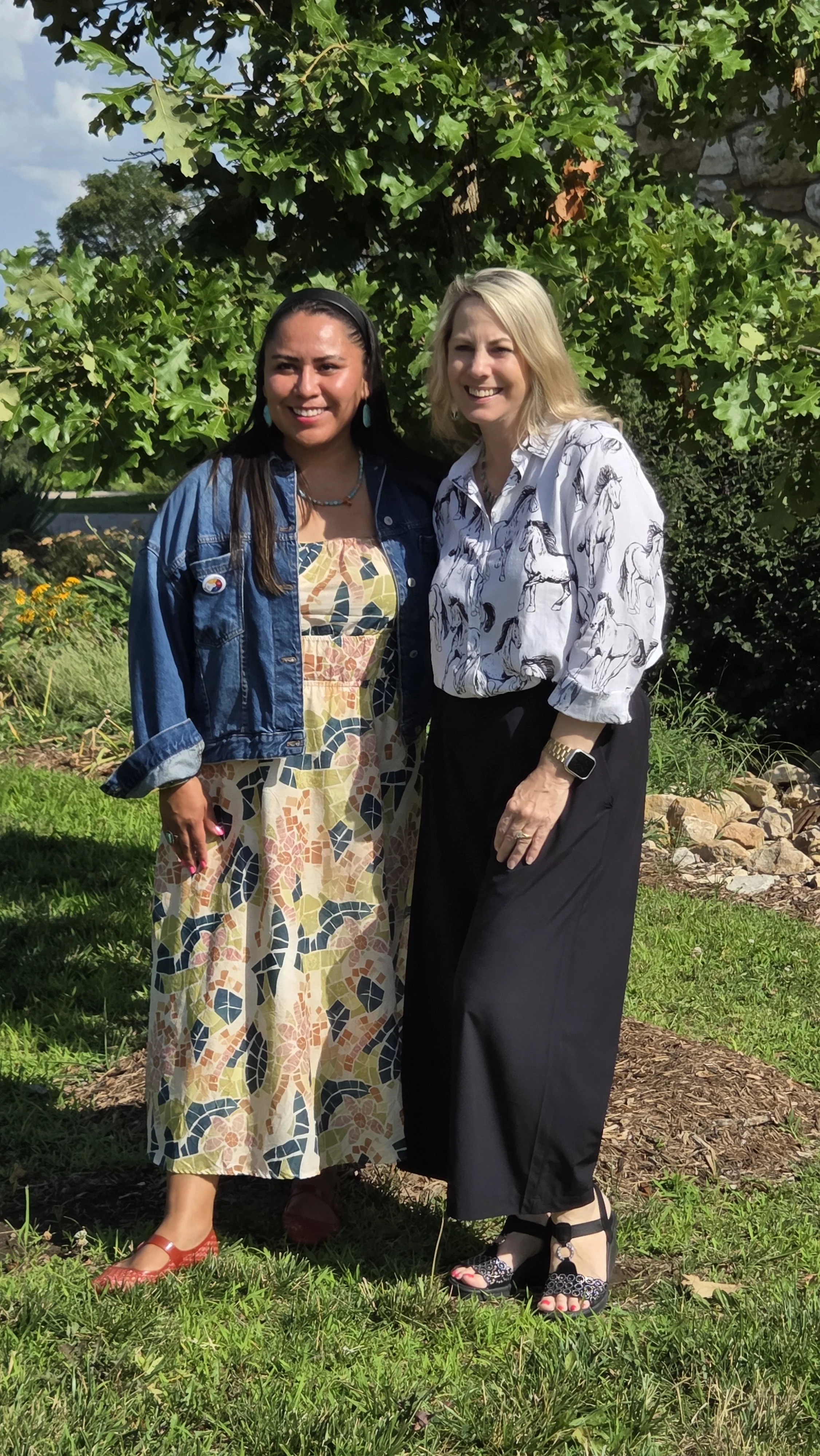
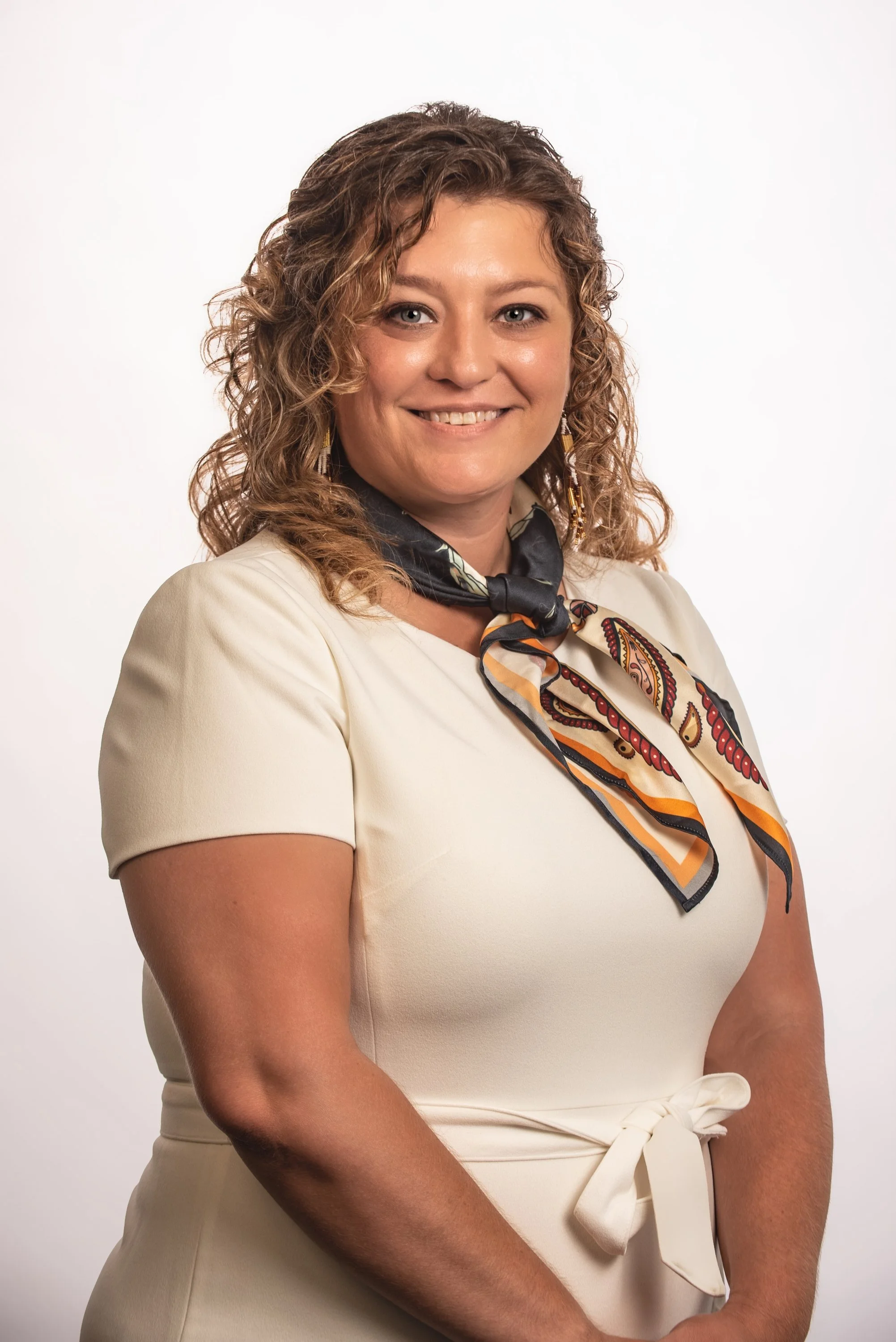
Editor’s Note: This story was reported as part of the Indigenous Journalism Fellowship, a program of the Indigenous Journalists Association for emerging storytellers. News outlets are encouraged to republish the fellows’ work under our story-sharing guidelines without charge. Please retain the bylines and photo credits. Do not make major edits beyond adjusting dates and making style changes that suit the needs of your publication. IJA appreciates receiving a link or copy of the published story, which you can email to mary@indigenousjournalists.org.